When a Phase II is triggered
- The Phase I identified a REC the parties cannot price or indemnify around: a former UST, a solvent user, a stained floor drain, an upgradient release.
- SBA SOP 50 10 8 requires it: a current or former dry cleaner that used chlorinated or petroleum solvents on site needs a Phase I and a Phase II, whatever the Phase I says.
- The lender's environmental reviewer asks for it after reading the Phase I, often for gas stations and auto repair with older tank systems.
- The buyer wants a baseline before taking an industrial site.
Scope under ASTM E1903
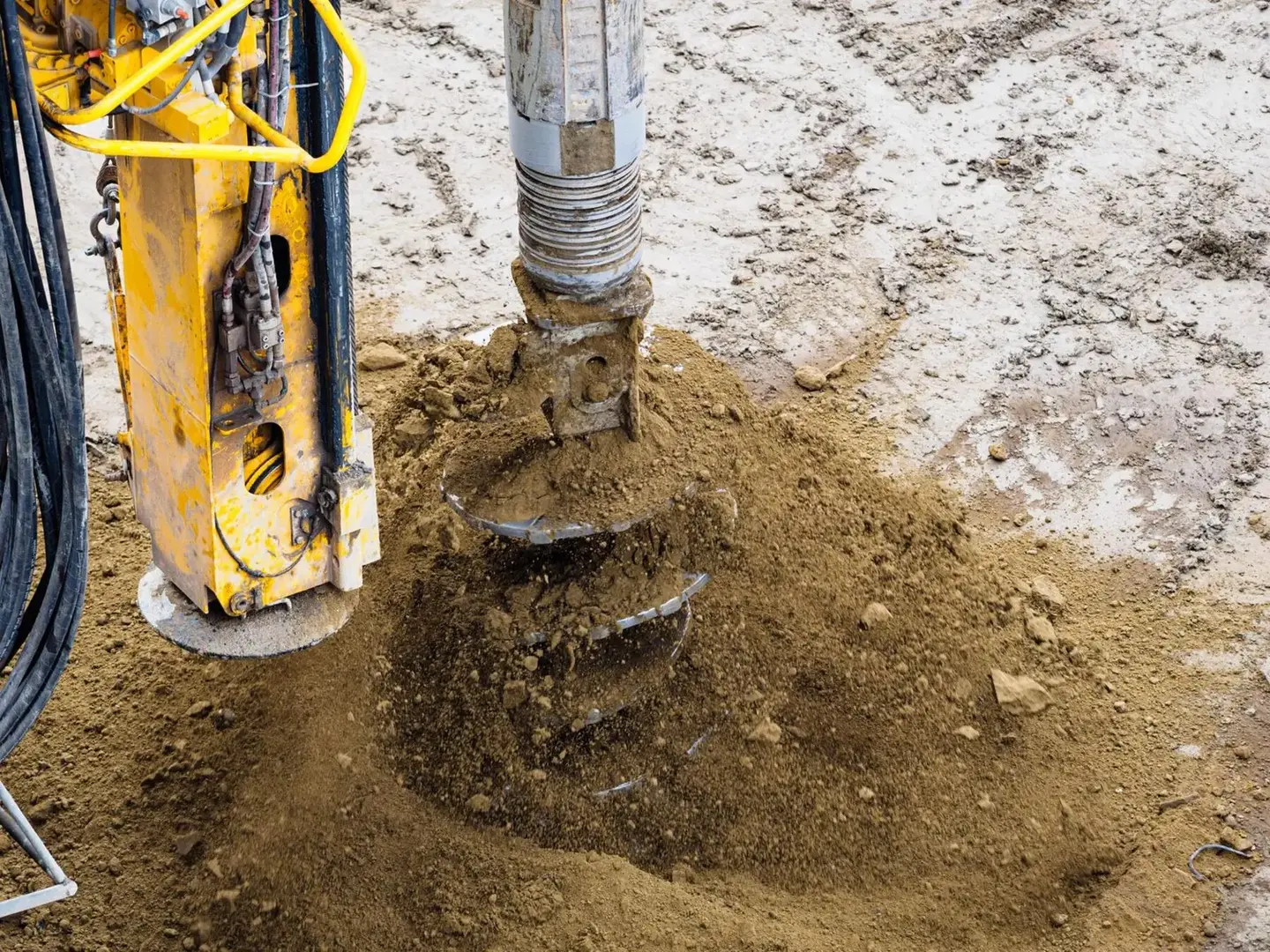
E1903 is a question-driven standard: the Phase II is designed around the specific RECs, the media likely affected and the decisions the results will feed. A typical commercial scope includes:
| Medium | Typical method | Common analytes |
|---|---|---|
| Soil | Direct-push borings, 2–8 locations, samples at the suspected release depth | VOCs, TPH, metals, SVOCs |
| Groundwater | Temporary wells in the borings, or permanent monitoring wells | VOCs (PCE, TCE), BTEX, MTBE, metals |
| Soil vapor / sub-slab | Sub-slab probes or exterior soil-gas points | Chlorinated VOCs for vapor intrusion screening |
| Geophysics | Ground-penetrating radar or EM survey | Unknown or abandoned USTs, buried drums |
Cost drivers
| Scope | Typical fee | Timeline |
|---|---|---|
| Limited Phase II (a few borings, one or two media) | $5,500 – $15,000 | 3 – 5 weeks including lab |
| Complex plume delineation, multiple wells, vapor intrusion | $25,000 – $50,000+ | 6 – 12 weeks |
What moves the fee most: the number of borings and wells, drilling depth and access (inside a building, through slab, under a canopy), analytes per sample, and whether a permanent well network is needed.
When results come back positive
- Below screening levels: the REC is resolved for the transaction; the report goes in the lender's file.
- Above screening levels: state regulator reporting rules may apply; the parties price remediation, set an escrow, or the seller enrolls the site in a state voluntary cleanup program.
- SBA loans: contaminated collateral routes to the SBA, and the borrower may need to sign an SBA Environmental Indemnification Agreement.
- Closure: the regulator's No Further Action letter, sometimes with an Activity and Use Limitation, is the exit most lenders accept.